Welcome to Germany. If you’re new here and wondering how to get around without looking like a confused potato at the U-Bahn station, this guide is your new best friend.
Let’s get into navigating your journey in Germany without crying in front of a ticket machine.
Step 1: Download German Transport Apps
Before you step outside and make eye contact with a tram, get yourself the top german transport apps in your phone – a DB Navigator, Google Maps, and your local transport app (like BVG in Berlin, MVV in Munich, or HVV in Hamburg).
DB Navigator is the most reliable app for German train travel. It tells you when your train leaves, if it’s late (which it rarely admits), what platform it’s on, and how many minutes you have to run like a tourist in a spy movie. For more detailed information visit the official website of DB Navigator for mobile.

Google Maps work great too but it might never tell you accurate train delays or if your stop is cancelled or even if there are strikes or construction nearby your stops.
Local apps help with bus, tram, U-Bahn and S-Bahn schedules, and they even let you buy tickets directly. No need to fumble with German cash and angry ticket machines.
Pro tip: Google Maps works surprisingly well for public transportation in Germany. Just don’t use Apple Maps unless you want to end up in a potato field in Brandenburg.
Step 2: Know different types of German Trains (and Their Personalities)
Germany has more types of trains than you have socks. Here’s a crash course:
- ICE (InterCity Express) – Germany’s bullet train. Fast, fancy, and sometimes has a quiet zone so you can suffer in silence.
- IC/EC (InterCity/EuroCity) – Slightly less fast, slightly less fancy.
- RE/RB (Regional Express/Regional Bahn) – Slow but reliable.
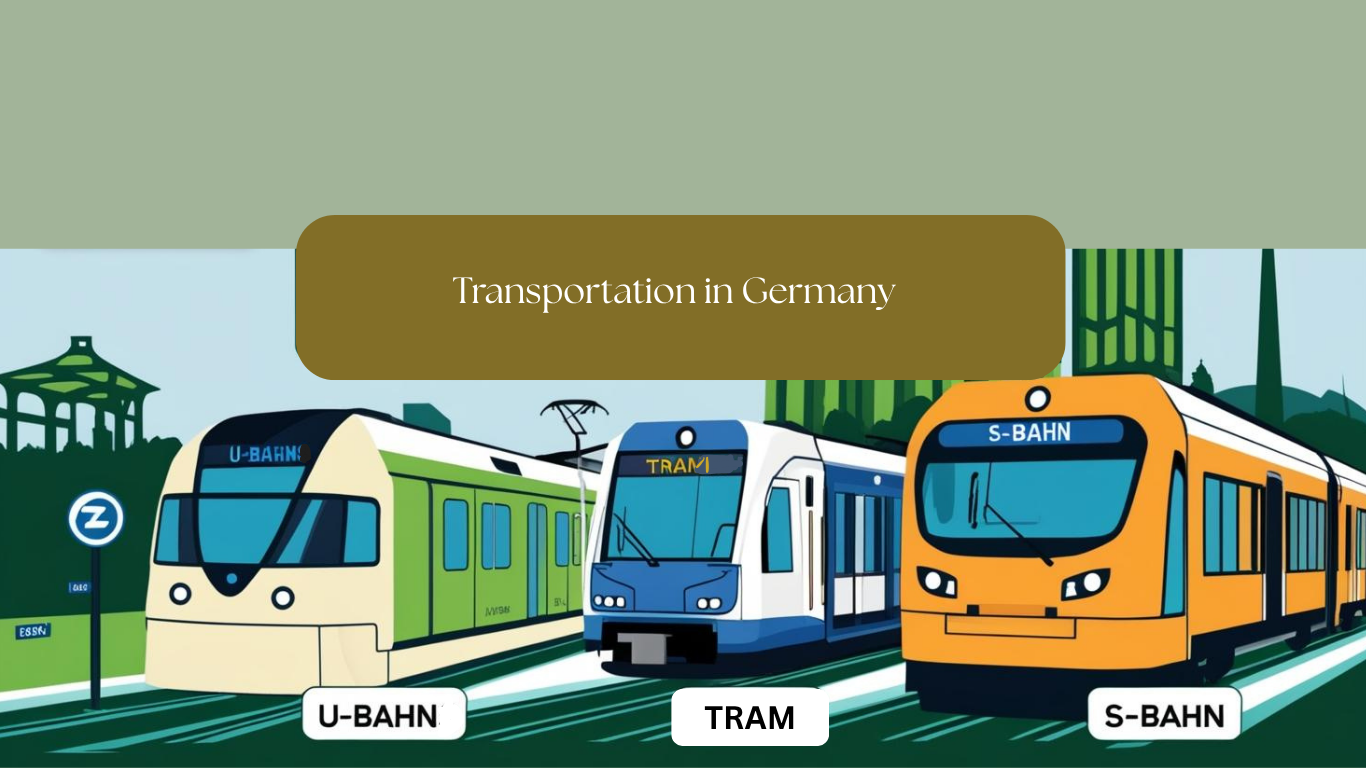
- S-Bahn – Suburban train. Useful for city-to-city and airport connections.
- U-Bahn – The underground metro. “U” is for “unter,” which means underground.
Step 3: Buy the Right Ticket, Or Pay the Price (Literally)
Public transportation in Germany is not free. Ticket inspectors can appear out of thin air like German ninjas. If you don’t have a valid ticket, it’s a €60 fine and a look of eternal disappointment.
Check train fares in Germany and buy tickets via app, machine, or sometimes even on the bus. Make sure you know your zones (A, B, C) before you buy. Berlin AB is not Berlin ABC, and your wallet will feel the difference.
Pro tip: Deutschlandticket price (€58/month) is your golden pass to unlimited regional travel across the country perfect if you plan on being lost in multiple cities.
Step 4: Germany Train Ticket – Validating Your Ticket
If your ticket isn’t digital, you must validate it before boarding. Look for the little red or yellow stamp machines. No validation = no mercy.
Yes, even if you just want to go one stop. Germany doesn’t believe in “just one stop.”
Step 5: Taxis, Bikes, and Bolt
Need to get home at 2 a.m. after missing your last train because you were eating döner? Use FreeNow or Bolt -Germany’s ride-hailing options. Uber exists too, but it’s shy.
Or rent an e-scooter. They’re everywhere.
Final Thoughts: You’ve Got This (Probably)
Navigating transportation in Germany may feel overwhelming at first, but once you get the hang of zones, apps, train stations/Bahnofs and transit stations uncles on the S-Bahn, it becomes second nature.
Download our comprehensive German Transport Vocabulary you will need while navigating the transport system.
FAQs – How to Use Public Transport in Germany
| 1. How does the ticket system work in Germany? | Germany’s public transport uses an honor-based ticket system and you must buy and validate your ticket before boarding. Ticket checks are random, and fines for “Schwarzfahren” (riding without a ticket) are about €60. Machines at stations or transport apps sell tickets for buses, trams, U-Bahn, and trains. You can buy a Deutschland ticket on DB app on your phone monthly with a recurring monthly payment plan which automatically deducts and validates your ticket in the start of a new month. This does not require you to manually validate your ticket before getting on on any public transport. Upon enquiry from a ticket checker, just show your ticket on DB app and you are good to go. P.S: A Deutschland ticket does not include ICE trains so you will have to buy different tickets for that particular train. |
| 2. What types of tickets can I buy for public transport? | You can choose between single-use tickets, day passes, weekly or monthly tickets, or the Deutschlandticket (€58 ticket) valid nationwide for local and regional transport. For regular commuters, subscription plans (Abo) often save money. |
| 3. What’s the difference between U-Bahn, S-Bahn, tram, and regional trains? | U-Bahn (underground metro): Runs within city limits. S-Bahn (suburban rail): Connects cities to suburbs. Tram (Straßenbahn): Street-level train within urban areas. Regional trains (RE/RB): Longer routes connecting nearby towns or states. |
| 4. Can I use one ticket for buses, trams, and trains? | Yes! Most regions have integrated transport networks (Verkehrsverbund) meaning one valid ticket works across buses, trams, U-Bahn, and S-Bahn within your zone. Check your local transport association’s website (e.g., BVG Berlin, MVV Munich). |
| 5. How can I plan routes and check schedules? | Use apps like DB Navigator, Google Maps, or city-specific transport apps (BVG, HVV, MVV). They show real-time connections, delays, and ticket options and many allow in-app purchase of tickets. |
Learn German vocabulary for transport words, signs and announcements. Check this blog out!
Liked what you read? Rate this blog to help us improve!


Leave a Reply to German Transport Vocabulary: Words & Signs you need to know – Deutschland DecodedCancel reply