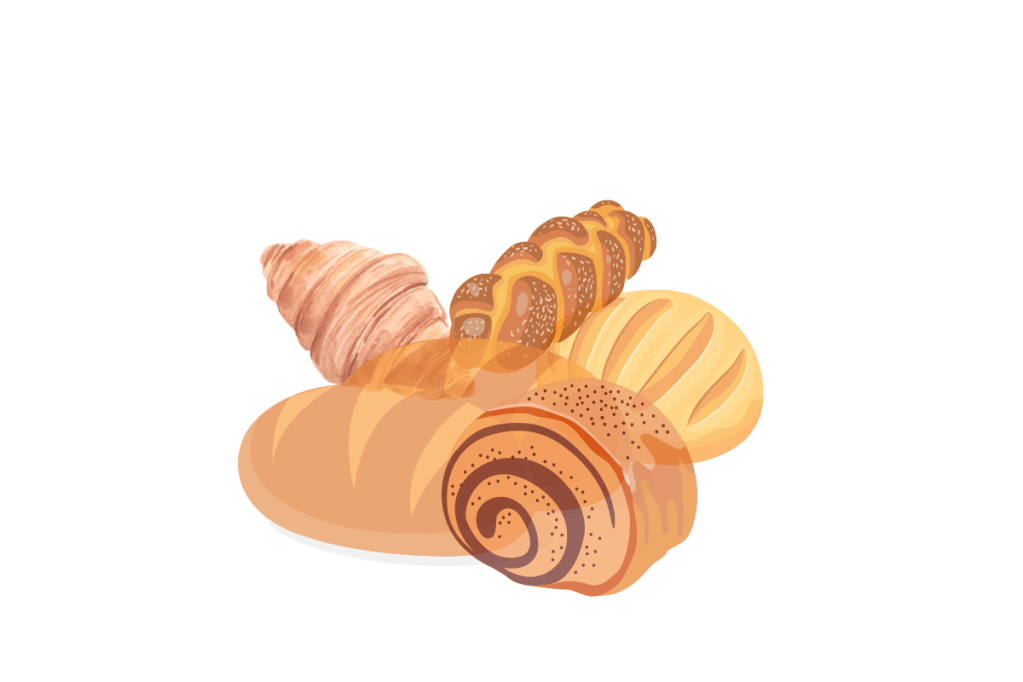
I come from a country where bread was only either white or bran and nothing in between. It was only recently that the concdept of fancy breads like foccacia and sourdough came into hearing. But, hallo Germany! the Land of Bread.
But in Germany, the humble bread (Brot) reigns supreme. With over 3,000 officially recognized types of bread, Germany is not just the land of poets and thinkers — it’s the land of bakers.
A Slice of German Identity
Bread is deeply woven into the fabric of German daily life and identity. It’s not just food — it’s tradition, heritage, and even pride. So much so that in 2014, UNESCO added German bread culture to its Intangible Cultural Heritage list. That’s right — bread here is not just baked, it’s celebrated.
From early morning Brötchen (bread rolls) runs to evening “Abendbrot” (a light dinner of bread, cold cuts, and cheese), bread is present at every German mealtime. In fact, many Germans don’t consider a meal complete without some form of bread.
Why So Many Breads?
Germany’s bread diversity comes from its regional variations and long history of baking. The climate is better suited for rye than wheat, so you’ll find many loaves using rye flour — hearty, dense, and full of flavor. Over centuries, local bakeries began developing their own special recipes and techniques, leading to a stunning range of bread types today.
Whether it’s crusty, fluffy, sour, or sweet, there’s a German bread for everyone.
Most Popular German Bread Types
- Vollkornbrot (Whole Grain Bread)
Dark, dense, and packed with fiber, this hearty bread is made with whole rye grains. It’s nutritious, filling, and often served with cheese or cold cuts. - Pumpernickel
A Westphalian specialty, this slow-baked bread is almost black, slightly sweet, and incredibly moist. It’s made from coarsely ground rye and sometimes molasses. - Bauernbrot (Farmer’s Bread)
A rustic sourdough bread made with a mix of rye and wheat flour. It’s a common staple found in households and bakeries across the country. - Brötchen (Bread Rolls)
These little rolls are the star of any German breakfast. Crisp on the outside and soft inside, Brötchen come in many varieties — plain, with seeds, or even with cheese baked on top. - Laugenbrötchen & Brezel (Pretzel Rolls & Pretzels)
That shiny brown crust and chewy texture comes from dipping the dough in a lye solution before baking. A true Bavarian favorite. - Roggenbrot (Rye Bread)
Made primarily with rye flour, this bread has a tangy flavor thanks to natural sourdough fermentation. It’s perfect with butter or smoked meats. - Sonnenblumenkernbrot (Sunflower Seed Bread)
A nutty-flavored whole grain bread packed with sunflower seeds — crunchy, healthy, and full of flavor.
Bread Culture: More Than a Carb
What sets Germany apart is not just the variety, but the bread culture itself. Many families have a favorite local bakery they’ve visited for years, sometimes generations. It’s not uncommon to see lines outside bakeries on Sunday mornings, as fresh Brötchen are essential for a weekend breakfast.
Children grow up learning the names of dozens of bread types. And instead of sugary snacks, many Germans happily munch on slices of seeded bread with butter or cheese. Even traditional school lunches often include open-faced sandwiches on whole grain bread.
Bread and the German Way of Life
Germany’s love affair with bread is not just about tradition — it’s about quality and craftsmanship. Most bakeries still make their bread by hand, and the ingredients are typically simple: flour, water, salt, and time. It’s this simplicity and dedication to technique that gives German bread its world-renowned taste and texture.
In conclusion, if you ever move to or visit Germany, skip the supermarket bread aisle and head straight to a Bäckerei (bakery). You’ll not only taste the difference — you’ll experience a piece of Germany’s soul in every bite. You will know you have made it into Germany the day you go fo


 Deutschland Decoded
Leave a reply to Atta in Germany (for Roti) – Deutschland Decoded Cancel reply