Mold in Germany
Mold in Germany is a common problem — it is a nationwide housing issue affecting old apartments, modern energy-efficient buildings, rentals, and even newly constructed homes. Due to Germany’s weather conditions, insulation methods, and ventilation habits, mold growth (Schimmel) is one of the most common complaints among tenants and homeowners.
This article explains how serious mold is in Germany, how to remove mold correctly, products for mold, how to prevent mold permanently, health consequences, and who is legally responsible — tenant or landlord.
Why Mold Is So Common in Germany
Climate and Humidity
Germany has:
- Long damp seasons
- Cold winters with limited sunlight
- Frequent rain and fog
These conditions allow moisture to trap indoors, creating conditions for mold to grow.
Energy-Efficient, Airtight Buildings
Modern German homes are designed to conserve heat:
- Thick insulation
- Airtight windows
- Minimal air exchange
Without proper ventilation, moisture becomes trapped (this problem occurs especially in winter)
Everyday Moisture Sources
Daily activities can also contribute to surprising amounts of water vapor:
- Cooking and boiling
- Showering and bathing
- Drying laundry indoors
- Breathing and sleeping
Without ventilation (lüften), humidity can exceed safe levels within hours.
How Severe Is Mold in Germany?
Mold severity ranges from:
- Small black spots around windows
to - Entire walls covered behind furniture, wardrobes, and wallpaper
In advanced cases:
- Structural damage occurs
- Furniture and clothing are ruined
- Apartments become unhealthy or unlivable
Typical Places Where Mold Appears
- Window frames and corners
- Bathroom ceilings
- Bedrooms behind wardrobes
- External walls (Außenwände)
- Basements and storage rooms
Health Consequences of Mold Exposure
Living with mold can cause serious health issues, particularly for children, elderly people, and those with allergies.
Common Symptoms
- Persistent cough
- Nasal congestion
- Eye irritation
- Headaches
- Fatigue
Long-Term Health Risks
- Asthma development or worsening
- Chronic respiratory infections
- Skin irritation and rashes
- Weakened immune system
Prolonged exposure to black mold can significantly impact lung health.
How to Remove Mold Effectively in Germany
Step 1: Identify the Root Cause
Before cleaning, determine:
- Condensation vs water damage
- Poor ventilation
- Structural insulation issues
Without fixing the cause, mold will return.
Step 2: Use Effective Mold Removal Products
Products Available at dm
- Anti-mold sprays (chlorine and chlorine-free)
- Alcohol-based mold removers
- Protective gloves and masks
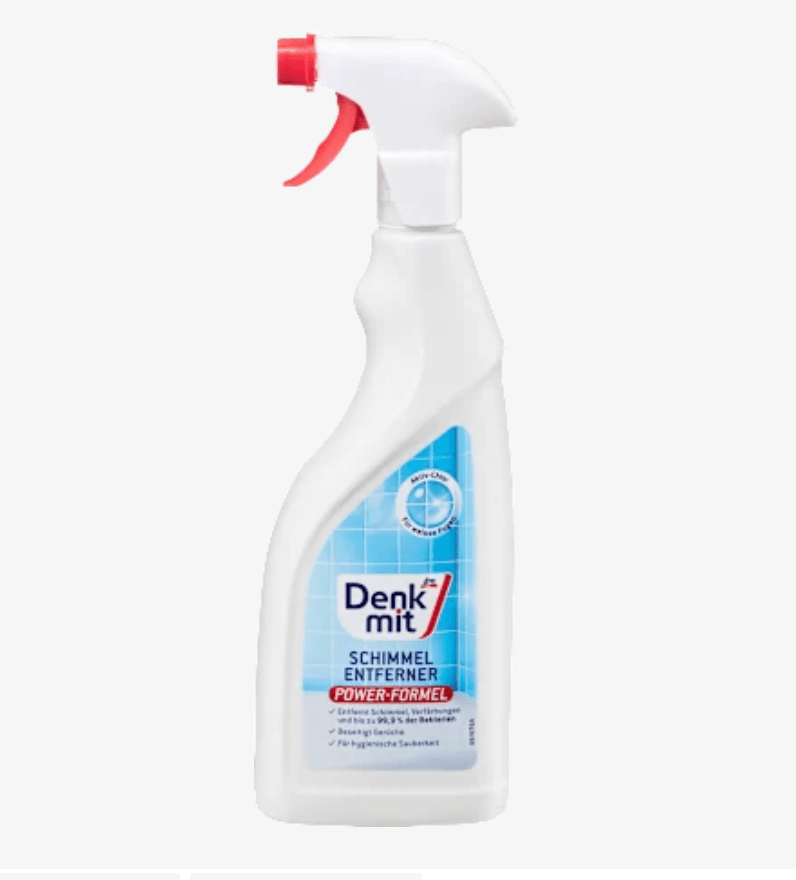
Products Available at Rossmann
- Mold remover foams
- Hydrogen-peroxide solutions
- Moisture absorbers and dehumidifiers
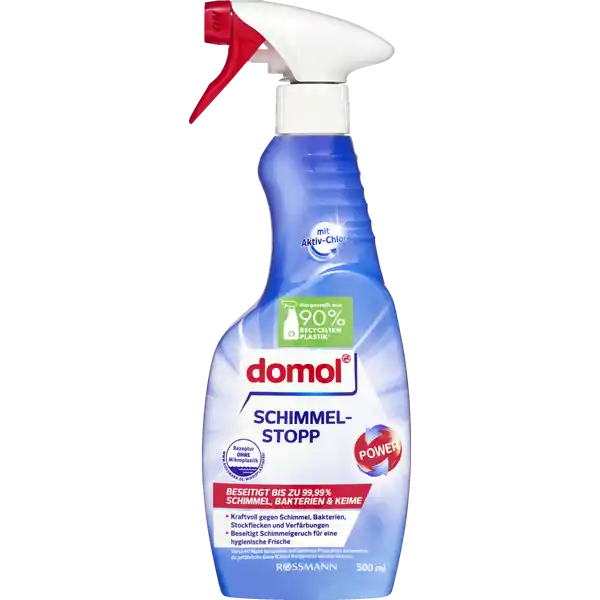
Tip: Small areas (<0.5 m²) can often be treated safely at home. Larger infestations require professionals.
Step 3: Safe Cleaning Practices
- Wear gloves and a mask
- Ventilate the room fully
- Do not dry-brush mold
- Dispose of cloths immediately
How to Prevent Mold in the Future
Correct Ventilation (Stoßlüften)
- Open windows fully
- 5–10 minutes
- 2–4 times daily
- Always after cooking and showering
Avoid leaving windows tilted for long periods in winter.
Control Indoor Humidity
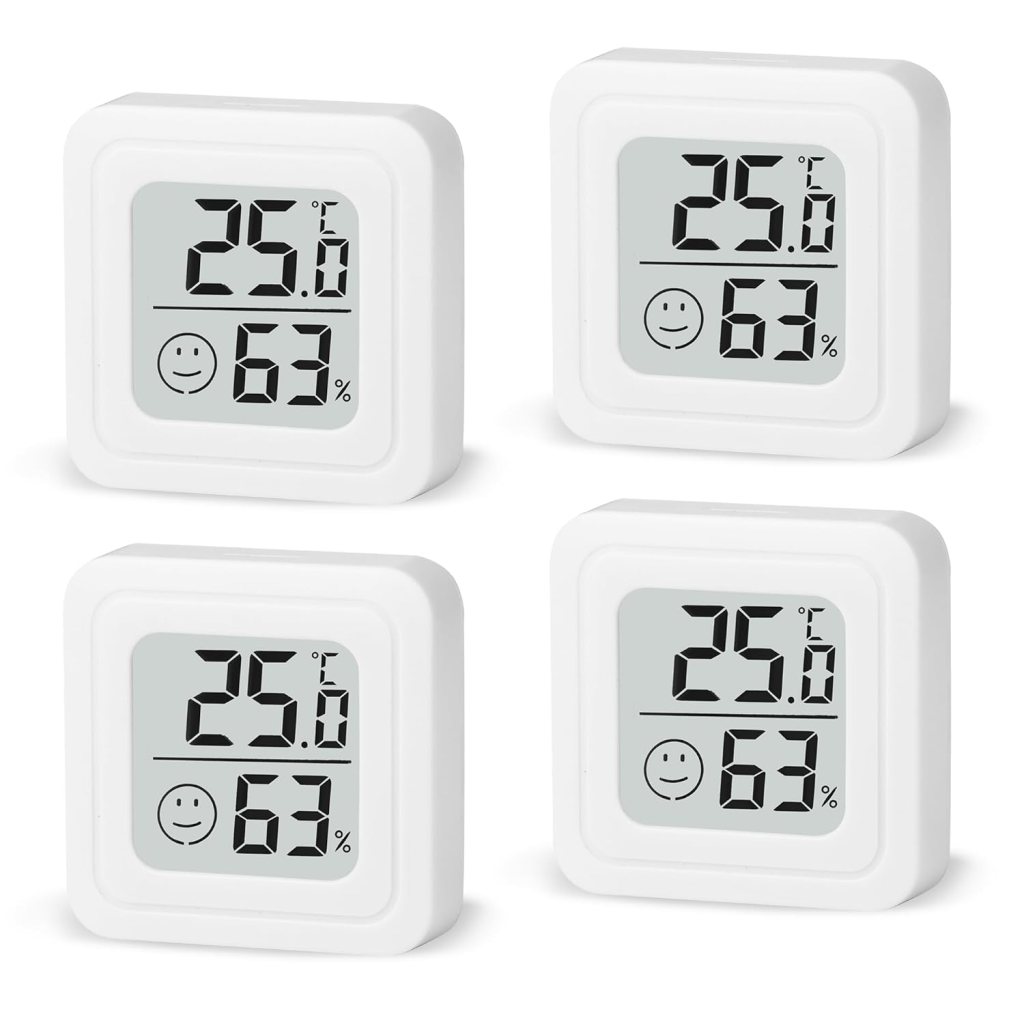
- Ideal range: 40–60%
- Use a hygrometer
A good Humidity Meter Indoor (Hygrometer), helps you keep in check humidity level and a telling sign to ventilate (Lüften)
Personally, this Amazon Humidity Meter works great and has been a personal favourite around the house.
- Dehumidifiers help in problem rooms
- Snake plants
IKEA snake plants are a great addition if you don’t want to visit a gartencentre.

Maintain Consistent Heating
- Cold walls attract condensation
- Avoid turning heating off completely in winter
Furniture Placement
- Leave 5–10 cm space from outer walls
- Ensure airflow behind large furniture
Mold and Landlord Responsibilities in Germany
Who Is Legally Responsible for Mold?
Landlord Responsibility
- Structural defects
- Poor insulation
- Water leaks
- Old or faulty windows
Tenant Responsibility
- No ventilation
- Incorrect heating behavior
- Improper moisture management
What Tenants Should Do
- Document mold with photos
- Inform landlord immediately in writing
- Do not attempt structural repairs
- Request inspection
Tenants may be entitled to:
- Rent reduction (Mietminderung)
- Professional mold removal
- Temporary relocation
FAQ – Mold in Germany
Is mold common in Germany?
Yes. Mold is one of the most frequent housing complaints due to climate, insulation, and ventilation habits.
Is mold dangerous to health?
Yes. Mold can cause respiratory issues, allergies, asthma, and long-term immune problems.
Can tenants remove mold themselves?
Small surface mold can be cleaned, but structural mold must be handled by professionals.
Who pays for mold removal in Germany?
If caused by structural issues, the landlord pays. If caused by tenant behavior, the tenant may be responsible.
Can mold reduce rent in Germany?
Yes. Tenants may be eligible for rent reduction depending on severity and cause.
Are store-bought mold removers effective?
Yes, for small areas. Persistent or widespread mold requires professional remediation.
Final Thoughts
Mold in Germany is a serious but manageable problem. With early detection, correct ventilation, effective products, and awareness of tenant rights, you can protect both your health and your home.
Looking for an Apartment in Germany? Check out the blog below!

 Deutschland Decoded
Leave a comment